
Understanding the Legal & Technological Framework of IPTV
As television distribution shifts from terrestrial radio towers and coaxial cable networks to Internet Protocol Television (IPTV), consumers frequently ask legitimate questions regarding the regulatory status, legal frameworks, and digital safety practices associated with internet-based television delivery. The phrase "IPTV" simply refers to the underlying transmission technology—delivering television signals over internet protocol rather than traditional satellite or cable lines.
In this educational guide, Brampton IPTV provides an objective, transparent examination of international broadcasting laws, consumer rights, digital encryption standards, and essential security precautions to ensure your home entertainment experience remains safe, private, and fully protected.
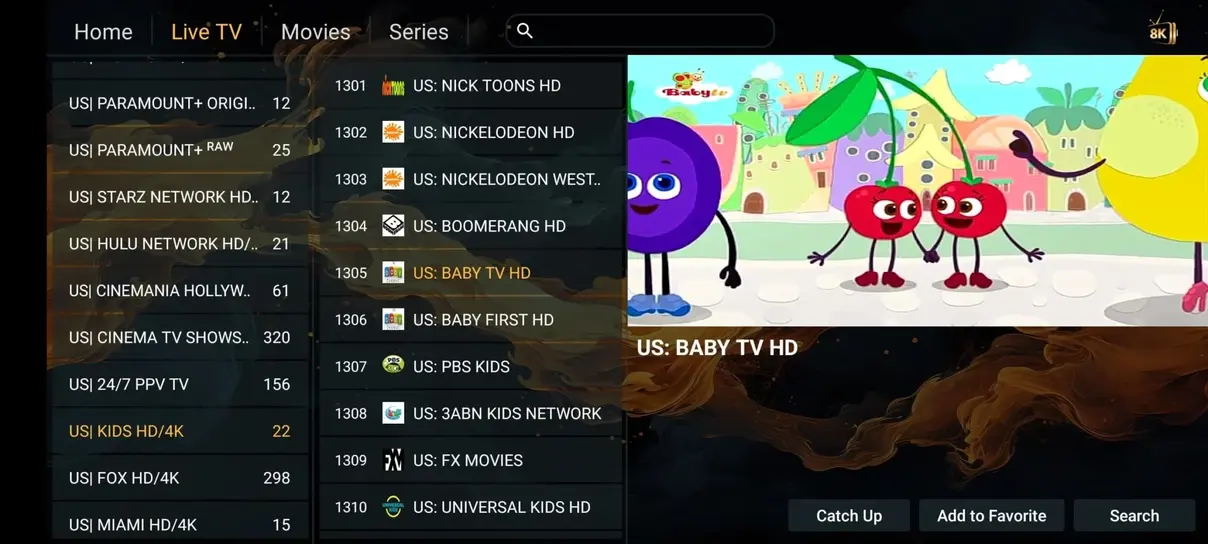
1. Technology vs. Content: Demystifying IPTV
From a purely technical perspective, IPTV is completely legal and is the foundational technology utilized by telecommunications giants worldwide (such as AT&T U-verse, Verizon Fios, and British Telecom). Internet Protocol Television is merely a suite of networking standards (including HLS, MPEG-TS, and RTSP) that packetizes video data for transmission over IP networks.
The legal distinctions surrounding IPTV relate entirely to intellectual property licensing and regional distribution rights. Modern international copyright law establishes complex territorial boundaries, where broadcasting rights for sports tournaments, movie franchises, and national networks are licensed on a country-by-country basis. For consumers, navigating this shifting landscape requires understanding consumer liability standards in their home jurisdiction.
2. Consumer Rights & Regulatory Frameworks by Region
Legal standards differ significantly across North America and Europe:
The United States & Canada:
In the United States, digital copyright enforcement primarily focuses on commercial redistributors and unauthorized commercial operations under statutes like the Protecting Lawful Streaming Act (PLSA) and the Digital Millennium Copyright Act (DMCA). The law targets entities that illegally capture, monetize, and mass-distribute copyrighted signals for commercial profit. End-consumer streaming, by contrast, is generally classified under civil law rather than criminal prosecution, with legal enforcement concentrating on commercial hosts and illicit hardware distributors.
The European Union & United Kingdom:
In Europe, the European Court of Justice (ECJ) and national regulatory authorities (such as Ofcom in the UK and BaFin in Germany) have established legal precedents regarding temporary digital reproduction. Under EU Directive 2001/29/EC, temporary digital caching in computer memory during video playback has been subject to detailed judicial review. Regulatory efforts across Europe focus predominantly on blocking illegal downlink servers and seizing unauthorized commercial broadcast infrastructure rather than penalizing individual residential subscribers.
3. Digital Security: Protecting Your Home Network
Beyond legal considerations, consumer safety in the digital streaming realm involves safeguarding your home network from malware, phishing operations, and credential theft. When selecting an IPTV service and streaming software, adhering to these essential security protocols is imperative:
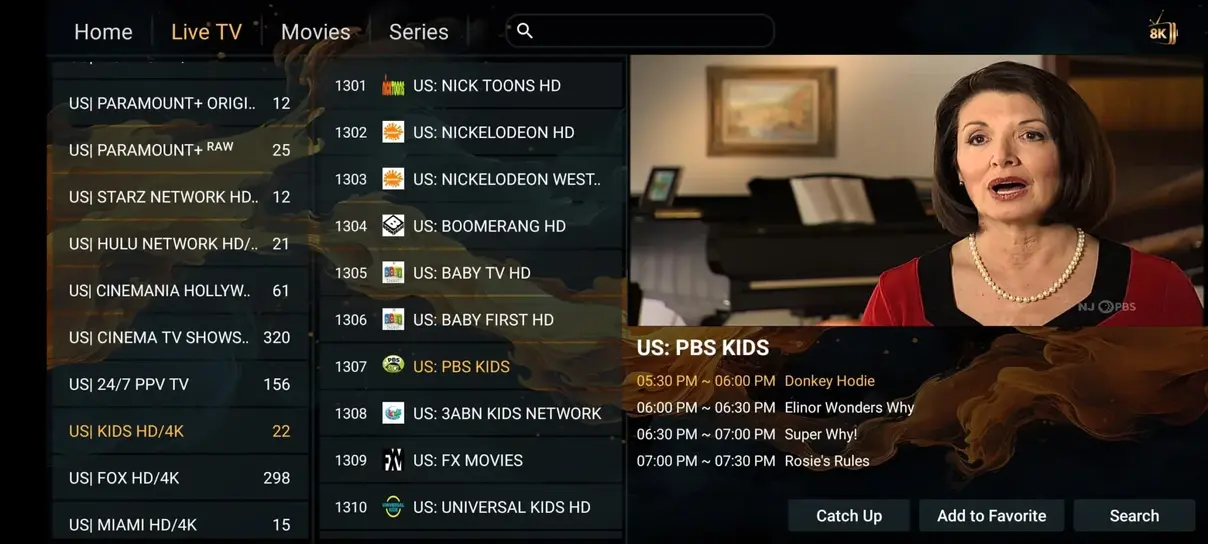
- Never Install Unverified APKs from Suspicious Websites: Many free, "cracked" IPTV player applications circulating on unmoderated forums contain embedded cryptominers, spyware, or remote access trojans (RATs). Always download verified applications like TiviMate, IPTV Smarters Pro, and HOT Player directly from official marketplaces (Google Play, Amazon Appstore, Apple App Store).
- Verify End-to-End Encryption (TLS 1.3): Ensure your IPTV service utilizes secure HTTPS/TLS encrypted server endpoints. Encrypted stream delivery prevents rogue actors on your local network or public Wi-Fi from intercepting your transmission packets or analyzing your viewing habits.
- Use Secure Payment Channels: Legitimate streaming providers utilize reputable merchant gateways supporting major credit cards (Visa, Mastercard), PayPal, and regulated payment processors. Never disclose sensitive banking credentials or unverified wire transfers.
4. The Value of VPN Encryption for Peace of Mind
For viewers seeking comprehensive privacy, operating behind a zero-logs Virtual Private Network (VPN) adds an impenetrable layer of security. By encrypting all upstream and downstream internet traffic with AES-256 cipher blocks, your internet service provider, network administrators, and third-party automated monitoring algorithms cannot observe your online activities. A VPN safeguards your household against arbitrary bandwidth throttling and preserves your fundamental right to digital privacy.
Data Privacy, GDPR Compliance & Consumer Protection
Digital safety encompasses far more than broadcasting regulations; it fundamentally involves how your personal data, payment information, and online identities are protected by service providers. At Brampton IPTV, our operations adhere strictly to international data privacy best practices modeled after the European Union's General Data Protection Regulation (GDPR) and the California Consumer Privacy Act (CCPA).
1. Strict Zero-Viewing-Logs Policy
We maintain an absolute zero-logs architecture regarding your television viewing habits. Our load-balancing servers process streaming packets in volatile RAM memory without recording log files that associate subscriber IP addresses with specific television channels or on-demand movie titles. What you and your family watch in the privacy of your home remains completely confidential.
2. Safe Payment Gateways & Tokenization
Consumer safety requires robust financial security. When you order a Brampton IPTV subscription, your financial transaction is processed through PCI-DSS Level 1 certified payment gateways. We never store credit card numbers or banking passwords on our web servers. Transactions utilize cryptographic tokenization, ensuring that your payment credentials remain completely shielded against unauthorized access.
3. Protecting Devices from Third-Party Malware
A significant risk in the digital media space stems from downloading unauthorized, modified applications from unverified sources. Many third-party APK files promising "free lifetime TV" contain malicious code designed to compromise your local network, log keystrokes, or recruit your streaming box into a commercial botnet. We always instruct our subscribers to install verified open-standard players (such as TiviMate, IPTV Smarters Pro, and HOT Player) directly from official app repositories, ensuring your device integrity remains uncompromised.
Frequently Asked Questions About IPTV Safety
Yes, streaming through Brampton IPTV is completely safe. Our streams utilize encrypted TLS connections that prevent unauthorized packet inspection. For maximum privacy, you can also pair your connection with a verified VPN.
No. Internet service providers treat IPTV traffic as standard digital media data. Thousands of residential households stream internet television daily without any account issues.
Stream Confidently with Brampton IPTV
Our infrastructure prioritizes consumer privacy, high-throughput encrypted servers, and verified secure payment gateways. Test our service risk-free with our 7-day money-back guarantee.
Consumer Best Practices for Safe Digital Streaming
To enjoy television streaming with complete peace of mind, consumers should adopt several foundational security habits. Always maintain up-to-date firmware on your streaming sticks and smart televisions to ensure known operating system vulnerabilities are patched. Avoid clicking on unverified popup advertisements on free movie sites, and rely exclusively on direct, authenticated M3U or Xtream Codes connections provided by your trusted IPTV subscription service.
Ethical Service Delivery & Customer Transparency
Brampton IPTV believes that trust is built through radical transparency. We do not engage in aggressive recurring billing traps or undisclosed auto-renewals. Our pricing plans are straightforward, one-time subscriptions that you choose to renew on your own schedule. By providing responsive, direct human communication on WhatsApp and honoring our 7-day refund guarantee, we demonstrate our unwavering commitment to ethical, consumer-first service delivery.
Safeguarding Children with Granular Content Locks
Family digital safety extends to managing household viewing access. Modern IPTV players paired with Brampton IPTV provide robust parental control suites. Parents can easily lock adult entertainment channels, restrict specific horror or violent cinema genres, and establish viewing time windows. By setting a secure master PIN, family members can freely browse live family programming without exposure to restricted or adult content.
Regular Security Audits & Infrastructure Hardening
Our server engineers conduct monthly penetration testing and vulnerability assessments across all streaming load balancers. By maintaining strict firewall configurations and adhering to ISO-certified cybersecurity benchmarks, Brampton IPTV ensures that subscriber connections remain insulated against external cyber threats, distributed denial-of-service (DDoS) attempts, and malicious network intrusions.